Menu
BANNER PROGRAMS
RICE PROGRAM
About the Program
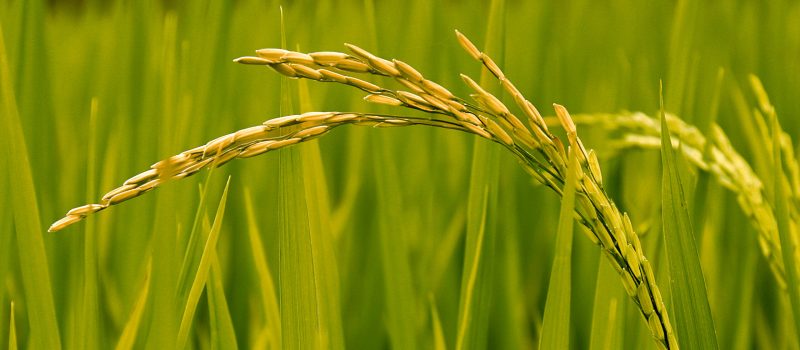
eared toward enhancing the resiliency and competitiveness of Filipino rice farmers while ensuring the country’s access to safe and nutritious rice, the DA-National Rice Program (NRP) is among the banner programs of the Department of Agriculture.
Aligned with the Masagana Rice Industry Development Program four core strategies: MAtatag (climate change adaptation or resiliency), SAma-sama (clustering and consolidation of farms), GAnado (motivated farmers in the rice value chain), and NApapanahon (digital transformation to improve farming practices and program implementation), the NRP prioritizes the development and introduction of improved and state-of-the-art farming technologies and innovations on rice and rice-based farming systems.
The DA-Bureau of Agricultural Research (DA-BAR) leads the strategic management and coordination of various rice research for development (R4D) programs, activities, and projects. Implementing these R4D initiatives are DA national and regional offices, state universities and colleges, and other research institutions.
Objectives
The program aims to ensure that the Philippines can sustain at least a 90% sufficiency level as demand increases over the years through productive, competitive, and profitable farms.
R4D Priority Areas for 2023-2028
- Improvement of rice varieties, enhancing seed distribution, and exploring seed screening techniques;
- Upscaling integrated commodity systems, implementing effective pest management, advancing agricultural innovation, and developing socially acceptable production machinery;
- Enhancing machinery resilience to climate change, creating value-added machinery, setting local rice product standards, innovating value-added rice products, and ensuring food safety;
- Developing enterprises for rice by-product utilization and development and enhancing both food and non-food rice by-products;
- Assessment of water quality in small-scale irrigation systems; and
- Assessment of various aspects of rice production and technology impact, conducting socio-economic studies on fortified rice adoption, and conduct of policy studies related to seed systems, agro-ecosystems, land reform, mechanized farming, cooperatives, and marketing strategies for rice products.
LIVESTOCKS
About the Program
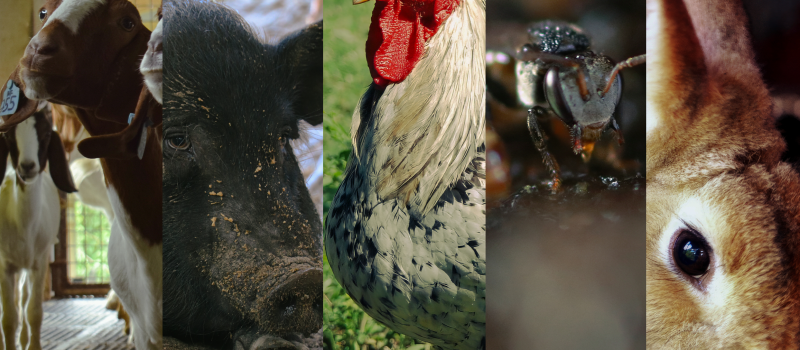
Under the Department of Agriculture-National Livestock Program, the DA-Bureau of Agricultural Research prioritized research initiatives that cover areas such as animal disease management and diagnostics; animal nutrition; animal breeding, selection and genetics; animal production; and product development and by-product utilization.
Priority Commodities
Runinants (dairy and meat)
Swine
Poultry
Rabbit
Bee
R4D Priority Areas (2023-2028)
About the Program
- Development of vaccines to prevent and control the spread of new and existing infectious disease
- Enhancement of disease detection and diagnosis methods
- Documentation and validation of ethno-veterinary/indigenous practices of native animals
Animal Nutrition
- Development of innovative feed processing procedures/methods to increase digestibility and bioavailability of indigenous ingredients
- Formulation and commercialization of new and existing feed ration using indigenous feedstuff/ingredients
Animal Breeding, Selection, and Genetics
- Development, conservation, and propagation of superior breeds as breeding stock
Product Development
- Development and commercialization of market-driven meat and dairy products
- Identification and assessment of market demand, market potential, and consumer preferences in buying meat and dairy products
High Value Crops Development Program
About the Program
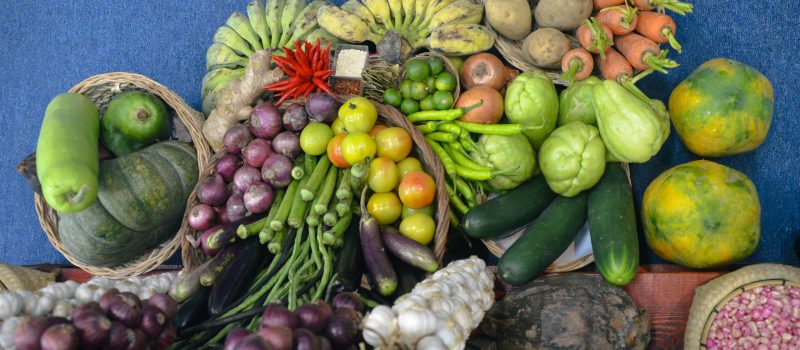
The High Value Crops Development Program (HVCDP) is one of the banner programs of the Department of Agriculture created through the Republic Act No. 7900 or the High Value Crops Development Act of 1995. It aims to deliver appropriate services, promote access to local and international markets, and ensure proactive management actions on the demand and supply situation. The program is mandated to contribute to the attainment of food self-sufficiency, economic growth, and enhancement of consumer’s health and welfare.
Through the support and guidance of the HVCDP, the DA-Bureau of Agricultural Research leads the strategic management, coordination, and development of breakthroughs in high value crops research for development programs and activities. The bureau coordinates with DA national and regional offices, state universities and colleges, and other research institutions in developing and promoting packages of technologies for various priority high value crop commodities.
Goals
- Increase production, income, and livelihood opportunities among small producers
- Improve access to affordable, safe, and healthy food
Priority High Value Crop Commodities
- Fruits (eg. banana, mango, pineapple)
- Plantation crops (eg. cacao, coffee, rubber)
- Vegetables and legumes (eg. garlic, onion)
- Rootcrops
- Indigenous and regional crops
R4D Priority Areas for 2023-2028
Input
- Improvement of varieties resistant to pests and diseases
- Development and authentication of new and marketable varieties
- Development of strategies for low-cost inputs (eg. alternative cost-effective and efficient fertilizers)
- Development and promotion of quality planting materials
- Micro and macro propagation of planting materials for various priority crops
- Modernization of farm equipment, machineries, and facilities
- Crop germination, collection, conservation, characterization, and profiling
- Multi-location adaptability trials
- Adoption/utilization and promotion of new commercial varieties
Prodution
- Development of pest and disease management protocols
- Intensification of crop diversification and farming systems
- Development and assessment of sustainable production management
- Climate-resilient production systems and agroecosystems
- Sustainable farming practices and protocols
- Precision farming and digital agriculture
- Nutrient optimization and upscaling of appropriate fertilization management
Post-Prodution
- Development of proper postharvest treatment protocols and facilities for efficient and cost-effective handling, storage system, and shelf life extension
- Development, enhancement, and promotion of cultural practices such as organic agriculture and indigenous farming
- Scaling processed products to expand market linkaging and commercialization
- Development and promotion of value-added products
Policy related
- Impact assessment of adopted standards for the specific commodity
- Identification and assessment of supply, market demand, market potential, and consumer preferencesIdentification and assessment of supply, market demand, market potential, and consumer preferences
Organic Agriculture
About the Program
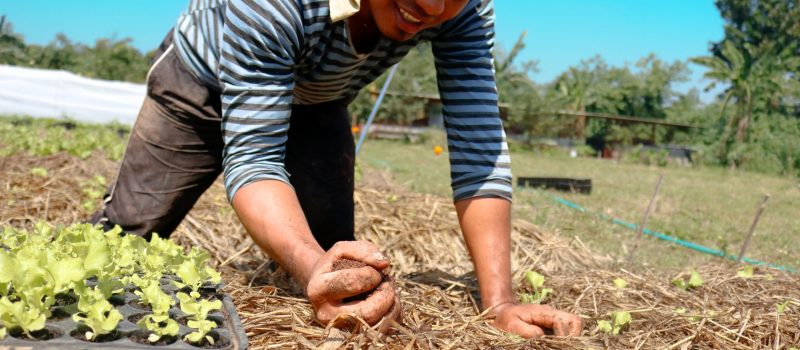
The National Organic Agriculture Program (NOAP) is one of the banner programs of the Department of Agriculture created through the Republic Act No. 10068 or the Organic Agriculture Act of 2010. The program envisions for the organic agriculture sector to contribute to the country’s overall agricultural growth and development, in terms of sustainability, competitiveness, and food security.
In accordance with the NOAP, the DA-Bureau of Agricultural Research (BAR) leads the strategic management, coordination, and development of breakthroughs in organic agriculture research for development (R4D) programs and activities. DA-BAR coordinates with DA national and regional offices, state universities and colleges, and other research institutions in developing and promoting packages of technologies for organic agriculture (OA).
Objectives
Promote and further develop the practice of organic agriculture in the country as well as promote community-based organic agriculture systems toward a competitive and sustainable OA industry contributing to better farm incomes and sustainable livelihood; improved health; environmental protection; disaster risk reduction and resilience to climate change; and social justice.
R4D Priority Areas
- Development and validation of organic agriculture technologies
- Documentation and Promotion of Indigenous Organic Farming Practices
- Upgrading of R4D facilities and laboratories for biocontrol agents, botanical concoctions, and indigenous microorganisms
Corn Program
About the Program
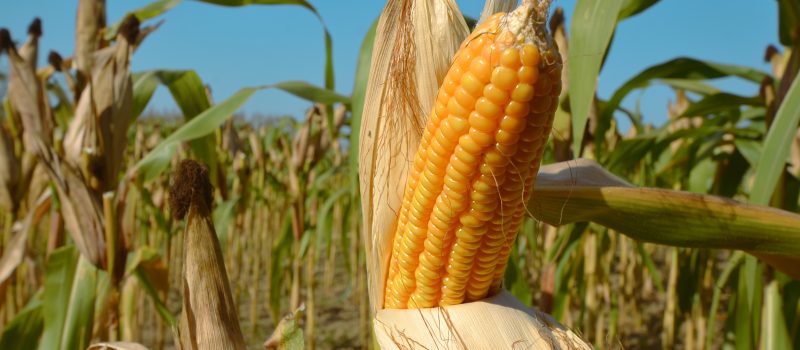
In the Philippines, corn or maize (Zea mays) is next to rice as the most important crop, hence the creation of its own banner program under the Department of Agriculture. White corn is grown for food, while yellow corn is mainly used for animal feed. Likewise, in view of their importance in the production of food and animal feeds, cassava, soybean, and sorghum became under the umbrella of the National Corn Program.
The program aims to transform farmers cultivating corn, cassava, soybean, and sorghum to productive, competitive, resilient, and profitable agripreneurs by providing science-based interventions and support services.
The DA-Bureau of Agricultural Research (DA-BAR) is continuously coordinating and providing support to partner research for development (R4D) institutions and stakeholders in generating appropriate technologies on varietal development and improvement, soil and nutrient management, integrated pest management, crop-based farming systems, mechanization, digitalization, and product and market development to ensure a productive and profitable industry.
Objectives
The program aims to increase productivity and income, and enhance the resiliency of farmers who plant corn, cassava, sorghum, and soybean.
R4D Priority Areas
Input
- Varietal improvement of traditional corn varieties
- Development of market driven white and yellow corn variety
- Site-specific adaptable sorghum varieties
Production
- Improvement of management strategies for emerging and resurging pest and diseases
- Optimization of soil and water nutrient management (SSNM, biofertilizer, balance fertilization strategies)
- Development of alternative cost-effective fertilizer and other soil amendments
- Intensification, diversification, and integration of corn-based, cassava-based farming systems
- Digitalization of production and management tools
Postharvest and Processing
- Improvement of rapid detection kits and management for postharvest pathogens
- Optimization of storage and packaging protocols
- Product and by-product development and processing protocols
Policy
- Impact assessment of developed and deployed technologies
NUPAP
About the Program
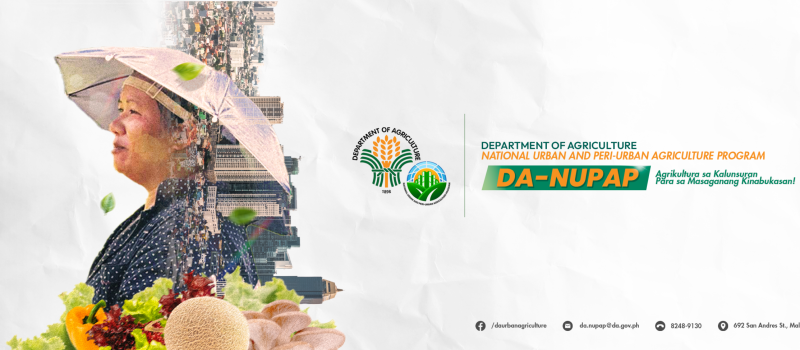
The National Urban and Peri-Urban Agriculture Program (NUPAP), a banner program of the Department of Agriculture under the Administrative Order No. 03 series of 2022 aims to ensure the food security for the urban and peri-urban population; reducing food miles into food steps to lower fuel consumption and cost of logistics; creating livelihood opportunities; and promoting a healthy lifestyle by making available nutritious food for Filipinos specifically in urban and peri-urban areas.
Objectives
To strengthen food security in urban and peri-urban areas by promoting local food production, reducing food transportation costs, creating livelihood opportunities, and encouraging healthy lifestyles through access to safe and nutritious food, supported by technical assistance, farm inputs, training, and agricultural facilities.
Kabuhayan at Kaunlaran ng Kababayang Katutubo (4Ks)
About the Program
The Kabuhayan at Kaunlaran ng Kababayang Katu4kstubo (4K) is a three-year special project of the DA following the directives of the president for an enhanced provision of assistance in the form of Agricultural and fisheries related livelihood opportunities, investments through the provision of production and post-harvest machineries and equipment and various support services for the ICCs/IPs all over the country through targeted community needs-assessments.
This Project is composed of four (4) components: Social preparation, Production and Livelihood, Marketing Assistance and Enterprise Development, and Project Management. Social Preparation is the conduct of preliminary social analysis of the community where organizers engage in institutional preparations, are selection, and social investigation/integration. Production and Livelihood encompass a range but specific concerns, in which activities and assets are provided to the ICCs/IPs in order to support themselves. Market Assistance and Enterprise Development foresee to empower the ICCs/IPs as entrepreneurs and develop competitive agribusiness enterprises. Project Management defines and maintains standards within the organization such as, guidelines and matrix on the practice of managing and implementing the projects. 4Ks Website
Objectives
To uplift the socio-economic condition of Indigenous Cultural Communities/Indigenous Peoples (ICCs/IPs) by providing sustainable agriculture- and fisheries-based livelihood opportunities, production and post-harvest investments, market support, and enterprise development through community-driven and well-managed interventions.

Republic of the Philippines
All content is in the public domain unless otherwise stated.
About GOVPH
All content is in the public domain unless otherwise stated.